By Craig Anderson
April 2, 2026
Florida’s boating economy is bigger than most people realize. It supports marinas, boat dealers, repair yards, charter fleets, marine contractors, waterfront restaurants, and tourism-driven coastal towns that depend on the water for jobs and revenue. But Florida is also one of the most difficult environments in the country to insure marine risk. Hurricanes, storm surge, rising property values, inflation, and rebuilding-cost volatility can turn a single weather event into widespread, high-severity losses.
That reality is why the Florida surplus lines market, often referred to as Excess & Surplus (E&S), plays such a central role in marine insurance. For many Florida marine risks, E&S is not a “secondary option” behind the admitted market. It is the market that keeps coverage available when standard insurers cannot take on the exposure under traditional form and rate constraints.
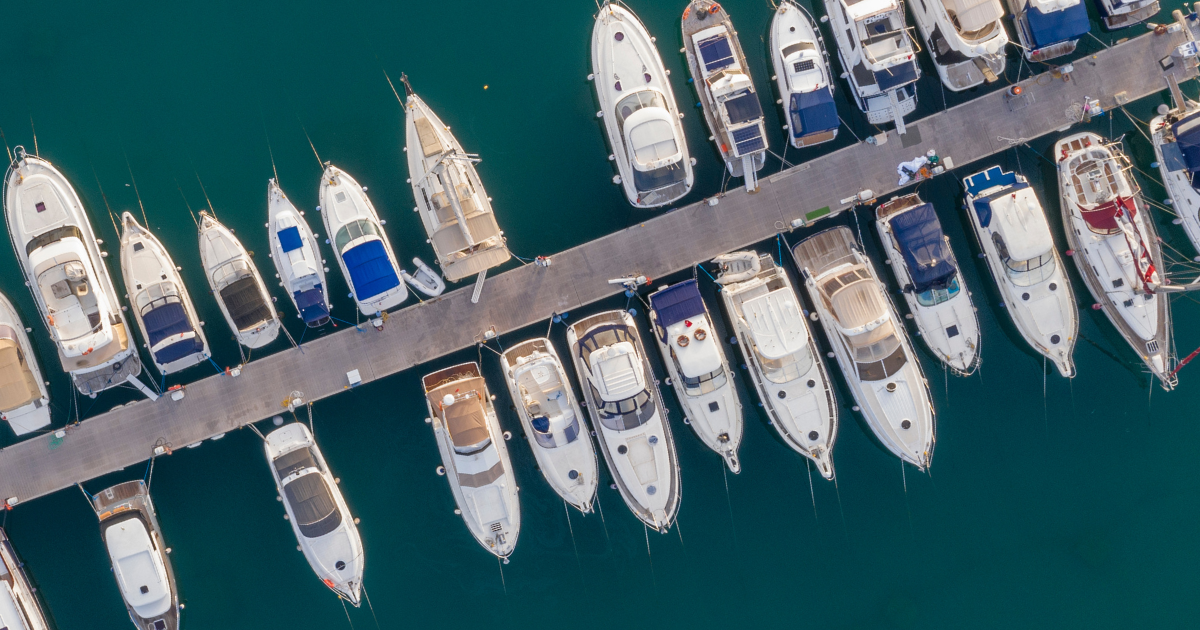
Many marine accounts are not a good fit for the admitted market because they combine catastrophe exposure, geographic concentration, and complex liability. Florida’s coastline concentrates vessels and marine businesses into narrow corridors, creating aggregation risk. When a storm hits, losses can accumulate quickly across marinas, boat storage facilities, vessel policies, and related waterfront property. In addition, marine operations are difficult to standardize. A marina with wet slips, lifts, fuel docks, contractors, and high foot traffic is fundamentally different from a basic docking facility. Repair yards add hot work exposure, fire potential, and care/custody/control issues. Charter and passenger operations increase frequency and liability complexity, while high-value yachts and non-standard vessels often fall outside admitted eligibility guidelines.
E&S helps address these challenges by providing flexible capacity and tailored structures for harder-to-insure risks. Common examples include marinas with high total insured values (docks, pilings, lifts, electrical systems, buildings, and shoreline structures), wet-slip operations with dense vessel counts, boat storage facilities including rack storage, repair and service yards, fuel docks with pollution exposure, charter and rental operations, and umbrella or excess placements where limits or terms are unavailable elsewhere.
The benefit becomes clearest after a hurricane. A coastal marina may face dock and electrical damage, boats breaking loose and causing third-party losses, potential pollution concerns, and prolonged business interruption while repairs are made. At the same time, rebuild costs often surge due to contractor shortages, material pricing spikes, and delayed supply chains for specialized marine components. If insurance options disappear post-event, financing becomes difficult, leases can be jeopardized, and reopening may stall indefinitely. Surplus lines solutions can preserve continuity by offering capacity when the admitted market pulls back, tailoring wind and deductible structures to match real exposure, and linking underwriting terms to mitigation such as hurricane plans, tie-down procedures, haul-out protocols, and documented maintenance standards.
A healthy marine insurance marketplace supports Florida’s broader economy, not just boat owners. Dealers and lenders depend on insurable assets to support sales and financing. Marinas rely on coverage to meet lender and landlord requirements. Charter operators need liability solutions to operate. Repair yards, marine contractors, and service vendors depend on boats staying active and businesses remaining open. When coverage is unavailable or inadequate, the ripple effects reach tourism, employment, and local tax revenue.
Marine risk in Florida is evolving and becoming more complex. Asset values are climbing, operational exposure is expanding, and loss costs are influenced by weather volatility, inflation, and legal trends. In that environment, the surplus lines market remains essential: it provides the flexibility and capacity that keeps marine coverage viable and helps coastal communities recover after storms.
Craig Mathew Anderson, CPIA, is Underwriting Team Leader, Marine, with CRC Group and a member of the Florida Surplus Lines Association. A marine insurance underwriting professional, he specializes in yacht and marine risks in the Florida surplus lines marketplace, helping agents and insureds navigate complex coastal exposures with practical coverage solutions.
# # #