By Leslie Chapman-Henderson
June 28, 2026
Every year on June 28, National Insurance Awareness Day serves as a reminder to review our policies, update our home inventories, and prepare for the unexpected. After 12 years in the insurance industry responding to catastrophes, and before dedicating the last 28 years to advancing disaster resilience, I approach this day a little differently. I see it as an opportunity to talk not only about insurance, but about one of its most important components: resilience.
Insurance helps us recover after disasters. Resilience helps us withstand them in the first place. Together, they form the foundation for strong communities that can withstand and bounce back from disasters.
Few places understand this better than Florida.
We are blessed to live in one of the most beautiful states in America. Our coastlines, climate, and communities make Florida a destination for millions. Yet the same features that make Florida attractive also make it vulnerable. Hurricanes, severe storms, flooding, wildfires, and other hazards are facts of life here. As a former catastrophe claims manager, I witnessed firsthand the devastation these events can bring to families and communities. I have seen the heartbreak of loss, but I have also seen something equally powerful: people’s ability to recover, rebuild, and become stronger.
That is why we cannot separate conversations about insurance from conversations about resilience. I am glad to see individual insurance companies as well as associations, like the Florida Surplus Lines Association, helping to increasingly highlight the role of resilience efforts.
Insurance is a financial product that reflects risk. When risks increase, insurance becomes more costly and complex to provide. When we reduce risks, more insurance becomes available at more affordable rates. Families benefit from stronger protection, enabling faster, less costly disaster recovery.
Florida has faced significant insurance challenges on and off for decades. Frequent hurricanes, inflation, litigation costs, and population growth in vulnerable areas have all contributed to market pressures. These challenges are real, and there are no simple solutions.
However, Florida is committed to addressing the challenges and has become a national leader in resilience along the way.
Following Hurricane Andrew in 1992, we committed to improving our building codes. Today, Florida’s high-wind codes are the strongest in the nation. Next, we recognized the need to retrofit older homes. We created My Safe Florida Home, the nation’s first wind mitigation grant program, which has invested more than $500 million. The program helped thousands of homeowners harden their properties.
Creative public education efforts increased awareness and empowered families with the knowledge to reduce risk materially. One example is the award-winning StormStruck: A Tale of Two Homes edu-tainment experience at Epcot, where nearly 5.8 million Disney guests learned the power of resilient homebuilding from 2008 to 2016. StormStruck introduced homeowners to the idea that they could not only influence, but also change storm outcomes. A Carnegie Mellon University study on the project validated its effectiveness.
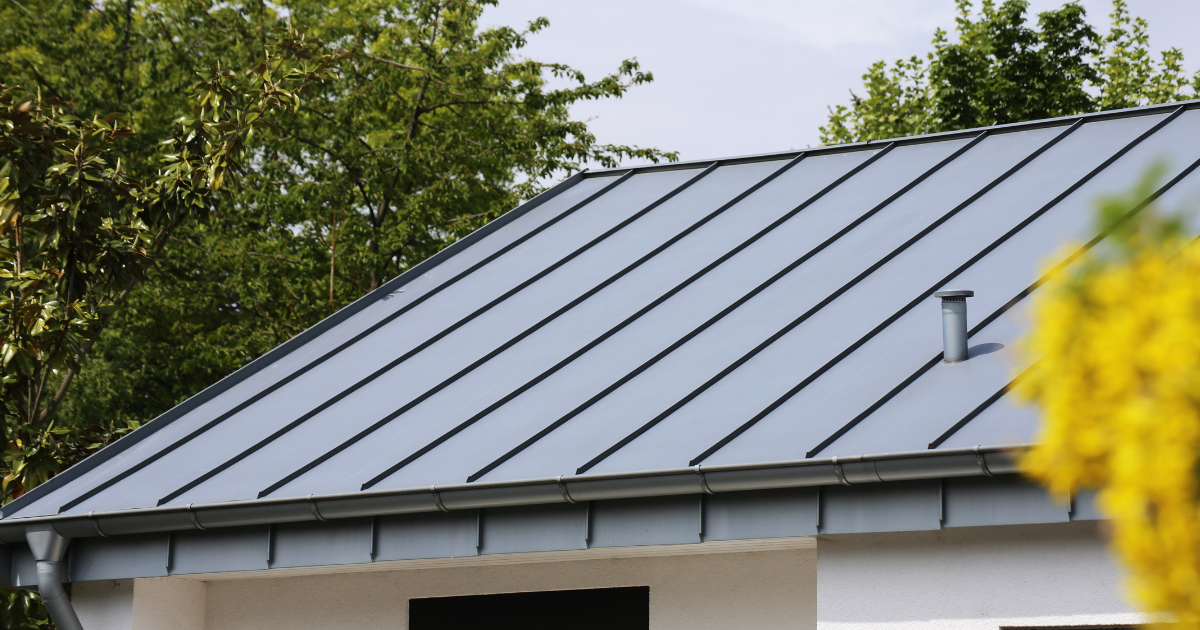
Most importantly, homeowners have embraced resilience in the face of all types of disasters. Across the state, families are investing in stronger roofs with sealed decks, wind-resistant garage doors, hurricane shutters, defensible space, and better drainage to absorb floodwaters. Researchers at Florida International University and the University of
Florida, as well as insurance industry engineers, collaborate to identify innovations that not only protect lives and property but also contribute to a more resilient insurance marketplace.
Early on, some underestimated the power of mitigation, but we have repeatedly seen that it works. Homes built or upgraded to modern standards perform better during disasters. Communities that prioritize preparedness recover faster. Each year, more individuals benefit from increased peace of mind, heightened safety, and property insurance discounts that incentivize and reward their investment in resilience.
The connection is straightforward: stronger homes experience less damage. Less damage means fewer claims and lower losses. Lower losses create opportunities for greater market stability and improved insurability over time.
National Insurance Awareness Day reminds us that insurance is essential, and that the best insurance policy includes proactive risk reduction. In my many years in the field after storms, I often met homeowners who wished they could go back and do more to prepare. The good news is that today we not only know how to prevent damage but also have technology and tools like www.StrongHomesScale.org to help people understand their options.
As we enter another hurricane season, our state’s record on resilience makes me optimistic about Florida’s future. By continuing to strengthen homes, invest in mitigation, support sound public policy, and encourage personal preparedness, we are creating and sustaining a safer, stronger, and more insurable Florida.
Leslie Chapman-Henderson is the President and CEO of the nonprofit Federal Alliance for Safe Homes (FLASH). Her past service includes serving as Chair of the Florida Hurricane Catastrophe Fund Advisory Committee, Vice Chair of the Florida Task Force for Long-Term Insurance Solutions, and as a leader and member of numerous committees and organizations committed to advancing strong building codes, disaster safety public policy, and resilience marketplace opportunities.